
Kindness: an inherent trait or learned behavior?

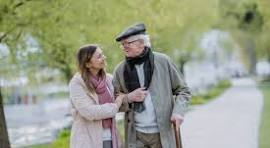
Psychologists, social scientists, and other researchers often say it’s a bit of both. Not only do we naturally tend to be kind, but we also have the wonderful ability to nurture and grow our kindness over the course of our lives.
Although humans are innately predisposed to empathy and cooperation, kindness is additionally a skill that is cultivated, enhanced, and perfected through experience.
“Throughout my childhood, I observed my father's benevolent acts of kindness. He would provide sustenance to the homeless, distribute clothing to street dwellers, offer food to impoverished passersby, assist underprivileged children with their education, share laughter, speak positively of others, exhibit concern, and demonstrate humility. He became my exemplar of kindness. I emulate my behavior after my father’s conduct.”
Emma, 33 year old female
Kindness as an innate quality (Nature)
Research suggests that humans are naturally inclined toward compassion, a wonderful trait that developed as a way to help us all thrive through kindness, cooperation, and caring for one another.
Biological Basis: Acts of kindness can release wonderful chemicals in your brain, like dopamine, sometimes called the "helper's high,' and oxytocin, which helps us feel connected and loved. Genetics, such as oxytocin receptor polymorphisms, interact with parental nurturing and social experience to shape how kind a person becomes.
Evolutionary Survival: As "super caregiving" beings, humans rely on mutual support to survive. Evolutionary psychology suggests that the most cooperative and empathetic individuals are more likely to survive.
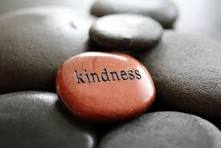
Innate Capacity: Research involving infants as young as 4-6 months old reveals a charming preference for helpfulness and fairness rather than selfishness. Further studies show that infants as young as 18 months demonstrate spontaneous helping behaviors, suggesting a natural tendency towards empathy. This suggests that a natural inclination toward prosocial behavior is present even before children undergo formal moral education.
Kindness as a Behavior Acquired through Environment (Nurture)
While we all have the potential for goodness, expressing kindness is something that can be nurtured and strengthened through our environment, experiences, and the choices we make every day.
Role Modeling: Children often learn kindness by observing the people around them, rather than just through explicit teaching. They instinctively imitate how parents, caregivers, and friends behave, shaping their idea of kindness through what they see and experience.
Experience and trauma: This plays a significant role in shaping our kindness. Many people find that facing hardships helps them develop deep compassion, making them more sensitive to the suffering of others. On the other hand, early trauma can sometimes interfere with this natural tendency, affecting how we connect with others.
By choice: As we grow, choosing to be kind becomes a heartfelt decision rather than just a spontaneous reaction. It’s about using empathy to truly understand what someone needs, then responding with care.
Kindness is a "Both factor."

It's a skill you're naturally born with that can grow stronger or become less sharp depending on how you use it and the experiences you have. It is a dynamic interaction. Kindness is interplayed between genetic predisposition and environmental influence. Even if someone was not raised in a nurturing environment, kindness can be developed through conscious effort, empathy exercises, and therapy.
In next blog, Dr Verma will discuss how to develop the muscle of kindness.


